
Good boating habits make a bigger difference than many owners realize. While major systems matter, most problems on boats start with small things that are overlooked. For that reason, developing simple, consistent habits can greatly improve safety, reliability, and overall enjoyment. Even better, these habits do not require special tools or advanced skills. Instead, they rely on awareness, routine checks, and taking action early.
Why Everyday Habits Matter
First, boats operate in a harsh environment. Moisture, vibration, and constant motion slowly affect every system on board. Next, small issues rarely fix themselves. A loose hose clamp, minor leak, or weak battery often turns into a major repair if ignored. Just as importantly, buyers and surveyors notice signs of daily care. Boats that are clean, organized, and well-monitored consistently appear safer and better maintained. As a result, good habits protect not only your time on the water, but also your boat’s long-term value.
Regular Checks That Improve Safety
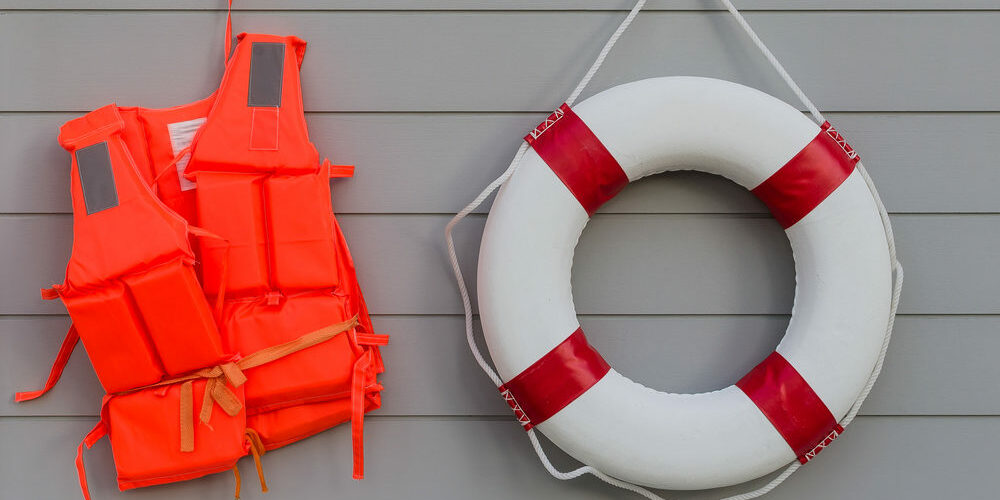
One of the easiest habits to develop is performing quick checks before and after every outing. Start with the bilge. Checking for excess water, fuel smells, or oil residue helps catch leaks early. Bilge pumps should be tested regularly to ensure they activate properly. Next, inspect hoses, seacocks, and clamps. Even a brief visual check can reveal corrosion, cracks, or loose connections. Also, confirm that safety equipment is accessible and in good condition. Life jackets, fire extinguishers, and sound signals should always be ready for use. These small steps take only minutes but significantly reduce risk.
Keeping Decks and Cockpits Safe and Functional
A clean boat is not just about appearance. Clean decks and cockpits are safer and easier to use. For example, removing clutter reduces tripping hazards and prevents gear from damaging surfaces. Regular washing removes salt, dirt, and grime that can cause premature wear. In addition, checking handrails, ladders, and non-skid surfaces ensures safe movement on board. Loose hardware should be tightened before it becomes a safety concern. Simply put, an organized boat is a safer boat.
Electrical Awareness Prevents Common Problems
Electrical issues are among the most common causes of boating frustration. Fortunately, many can be avoided with basic awareness. First, batteries should be kept charged and connections clean. Corrosion increases resistance and can lead to system failures. Next, unused systems should be turned off when not needed. This reduces drain and protects sensitive electronics. Also, addressing electrical issues early is key. Flickering lights or intermittent electronics often signal loose connections or failing components. Paying attention to these details helps prevent breakdowns and unexpected repairs.
Listening to Your Boat: Early Warning Signs
One of the best habits a boat owner can develop is listening. Changes in engine sound, vibration, or exhaust smell often indicate developing issues. Likewise, new odors inside the cabin can signal leaks, electrical problems, or ventilation issues. When something feels or sounds different, it usually is. Acting early allows for simple fixes instead of major repairs. Experienced boaters often say their boats “talk” to them. The key is paying attention.
Simple Habits That Extend Boat Life
In addition to safety, good habits help extend the life of your boat. Rinsing salt and dirt from the boat after use slows corrosion and surface damage. Ventilating the interior reduces moisture buildup and mold growth. Keeping logs of maintenance, fuel use, and issues creates valuable records. These logs help track patterns and provide documentation for future buyers. Over time, these habits add up to a boat that performs better, looks better, and lasts longer.
A Broker’s Perspective on Daily Care
From a brokerage standpoint, boats with strong daily care stand out immediately. They typically:
- Survey better
- Require fewer pre-sale repairs
- Attract more buyer interest
- Sell faster and at stronger prices
In contrast, boats that lack routine attention often raise concerns, even if major systems appear sound. Good habits build trust—and trust sells boats.
Final Thoughts
Boating does not have to be complicated to be enjoyable. In fact, the simplest habits often have the greatest impact. By staying attentive, performing quick checks, and addressing small issues early, owners create safer, more reliable boating experiences. At the same time, they protect the long-term value of their investment. In the end, good habits lead to better boating.
FAQ
What are the most important daily boating habits?
Checking the bilge, monitoring batteries, keeping decks clean, and inspecting safety equipment are among the most important habits.
How do simple habits improve boat safety?
They help detect problems early, reduce trip hazards, prevent flooding, and ensure safety equipment is ready when needed.
Why should I listen for changes in my boat’s sound or feel?
Changes in vibration, sound, or smell often indicate early mechanical or electrical issues that should be addressed promptly.
Do clean and organized boats perform better?
Yes. Clean boats are easier to inspect, safer to move around, and typically experience fewer maintenance problems.
Do these habits really affect resale value?
Absolutely. Boats that show consistent care attract more buyers and often sell faster and at stronger prices.