
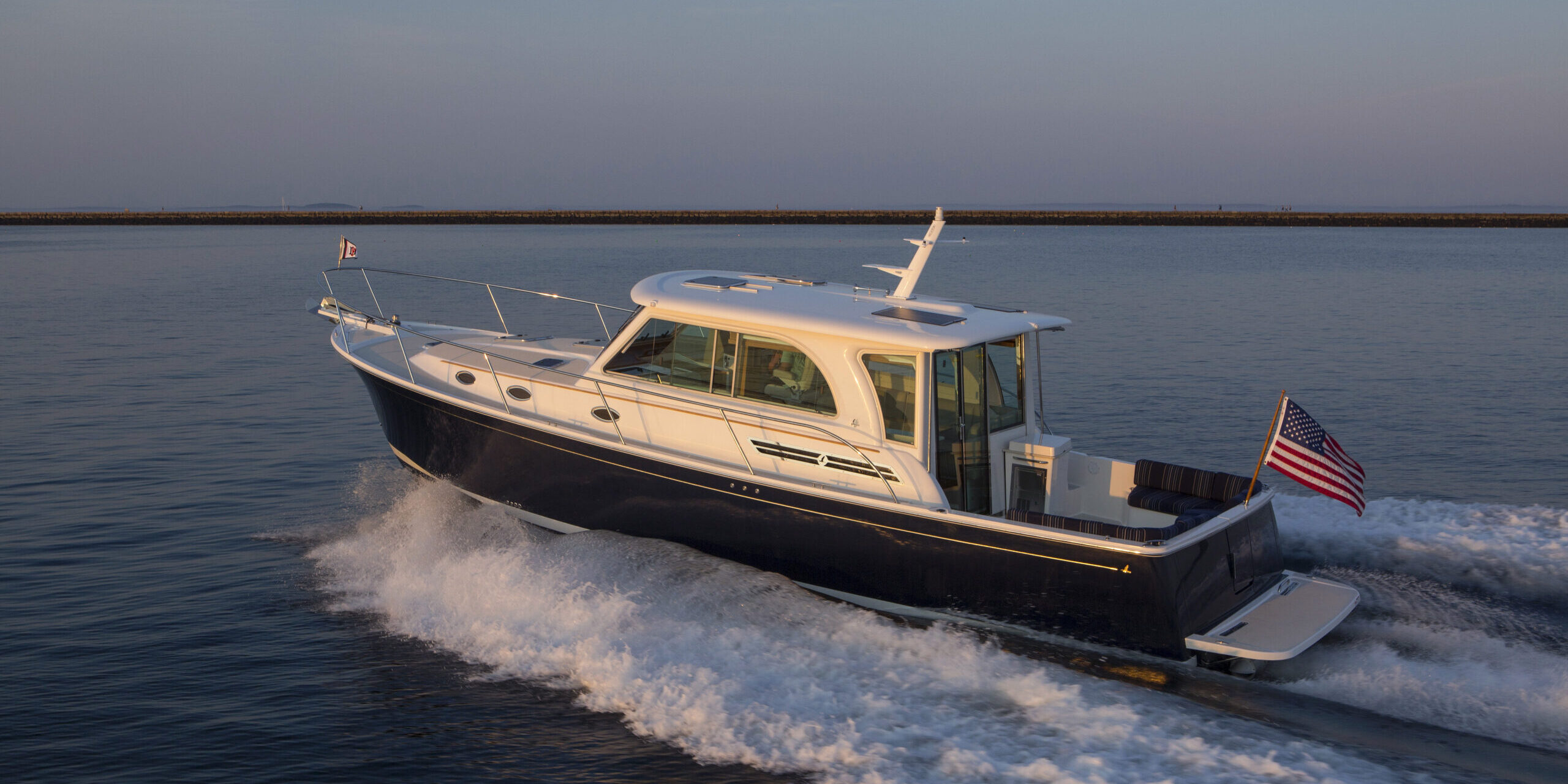
Your boat’s engine is the heart of your vessel. Without it, nothing else matters. That is why proper engine care is one of the most important parts of boat ownership. Fortunately, good engine maintenance does not have to be complicated. Instead, it is about consistency, awareness, and addressing small issues before they become expensive problems. No matter what type of engine your boat has—gasoline, diesel, or outboard—the same core principles apply: clean fuel, proper cooling, regular service, and careful operation.
Why Engine Maintenance Matters
First and foremost, engine maintenance keeps you safe. A well-maintained engine is far less likely to fail when you are far from the dock. In addition, routine care improves performance. Engines that receive regular service start easier, run smoother, and use fuel more efficiently. Just as importantly, engine condition has a direct impact on resale value. When buyers shop for used boats or yachts for sale, the engine is often the first thing they evaluate. Clean engine spaces, service records, and proper operation build immediate confidence. As a result, boats with well-maintained engines typically sell faster and for stronger prices.
Gasoline Engine Maintenance Tips
Gas engines are common in many powerboats and cruisers. While they are generally straightforward to maintain, they still require regular attention. To begin with, oil changes are critical. Old oil breaks down and loses its ability to protect internal components. Following the manufacturer’s service intervals helps prevent premature wear.
Next, fuel system care is essential. Gasoline degrades over time, especially with ethanol blends. For that reason, fuel filters and water separators should be inspected and replaced regularly. In addition, ignition components such as spark plugs, wires, and coils should be checked for wear. When these parts fail, engines may run rough, lose power, or struggle to start. Finally, always pay attention to smells or sounds. Fuel odors, backfiring, or hesitation are early warning signs that should never be ignored.
Diesel Engine Care: Focus on Fuel and Cooling
Diesel engines are known for durability and efficiency. However, they are highly dependent on clean fuel and proper cooling. First, fuel quality matters more than anything else. Contaminated diesel fuel can quickly lead to clogged filters or injector damage. Because of this, changing fuel filters on schedule is one of the most important diesel maintenance tasks.
Next, cooling systems deserve close attention. Heat exchangers, raw-water pumps, and impellers must be kept clean and in good condition. Even small cooling issues can cause overheating if left unchecked. Additionally, diesel engines benefit from being run regularly. Long periods of inactivity can lead to fuel issues and internal corrosion. Running the engine under load helps keep systems clean and lubricated. When properly cared for, diesel engines often provide decades of reliable service.
Outboard Engine Maintenance: Simple but Consistent
Outboard engines are popular because they are reliable, efficient, and easy to service. Still, they require routine care to perform their best. After every outing, flushing the engine with fresh water helps remove salt, sand, and debris. This step is especially important for saltwater boaters. In addition, lower unit service should never be skipped. Gear oil protects vital components, and checking it regularly helps detect water intrusion early.
Propellers also deserve attention. Even minor damage can cause vibration and strain internal parts. Removing the prop periodically allows for inspection and shaft lubrication. Because outboards are fully exposed, keeping them clean and protected from corrosion is essential for long-term reliability.
Cooling Systems: A Common Trouble Spot
Regardless of engine type, cooling systems are one of the most common sources of problems. Raw-water strainers should be checked frequently and kept free of debris. Impellers wear over time and should be replaced before failure, not after. If an engine runs hotter than normal, the cause is often simple. However, ignoring overheating can quickly lead to serious damage. For that reason, temperature gauges and warning alarms should always be taken seriously.
Operating Habits That Extend Engine Life
Maintenance does not stop when you leave the dock. How you operate your boat matters just as much. First, allow engines to warm up properly before applying heavy throttle. Cold engines experience more internal stress. Next, avoid excessive idling. While brief idle periods are fine, long idle times can reduce efficiency and increase wear. Also, run engines at recommended cruising speeds. This helps maintain proper temperatures and reduces long-term strain. Finally, listen. Changes in vibration, sound, or smell often indicate early problems. Catching these signs early saves time, money, and frustration.
Why Brokers Pay Close Attention to Engines
From a brokerage perspective, engine condition can make or break a sale. Well-maintained engines with documented service history:
- Attract more buyer interest
- Reduce survey findings
- Shorten time on the market
- Increase overall value
In contrast, neglected engines often raise red flags, even if the rest of the boat looks clean. Simply put, engine care is one of the smartest investments a boat owner can make.
FAQs
How often should boat engines be serviced?
Service intervals vary by engine type and usage, but oil changes, filter replacements, and inspections should follow manufacturer recommendations or engine-hour guidelines.
Is engine maintenance different for gas and diesel engines?
Yes. Gas engines require attention to ignition components, while diesel engines depend heavily on fuel quality and cooling system maintenance.
How do I maintain an outboard engine properly?
Flush the engine after use, inspect the propeller, service the lower unit regularly, and keep the engine clean to prevent corrosion.
What are signs my boat engine needs attention?
Common warning signs include hard starting, unusual sounds, vibration, overheating, fuel odors, or changes in performance.
Why do buyers focus so much on engine condition?
The engine is one of the most expensive systems on a boat. Good engine condition reduces risk and increases buyer confidence.