
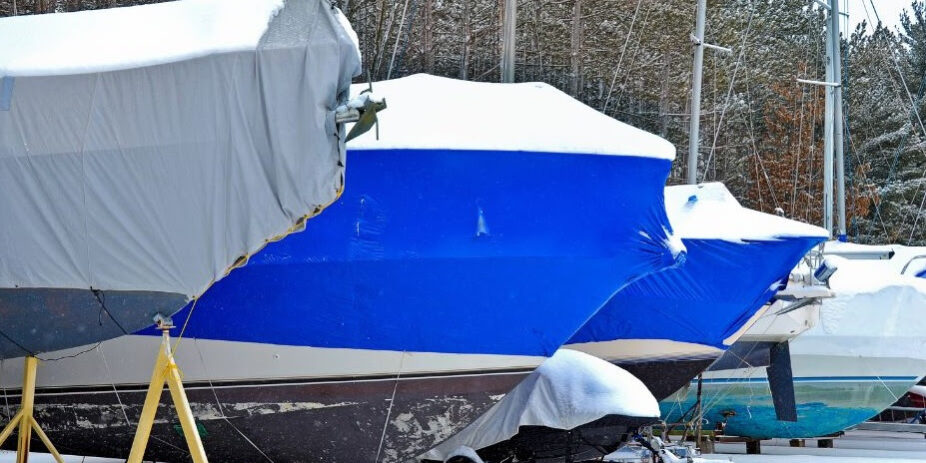
When winter settles in and boats are tucked away, it’s tempting to mentally check out until spring. But late winter is actually one of the best times to review your boat, plan ahead, and avoid the rushed decisions that often lead to missed issues—or missed boating time—once the season begins. This pre-spring boat checkup isn’t about turning wrenches. It’s about making smart, low-effort reviews now that save time, money, and frustration later.
1. Review Last Season’s Boat Repairs and Maintenance
Start with paperwork. Pull out invoices, service records, and notes from last season.
Look for:
- Recurring issues (electrical gremlins, cooling problems, rigging adjustments)
- Deferred repairs that were postponed mid-season
- Temporary fixes that were meant to get you through “just this summer”
Ask yourself:
- Was anything repaired more than once?
- Did any issue limit how often or how far you used the boat?
- Were there recommendations you declined due to timing?
Action Step:
Make a short list labeled “Must Address Before Launch” and “Plan for This Season.” This alone can prevent repeat problems in July.
2. Check Time-Sensitive Safety and Compliance Items
Some of the most common spring delays come from overlooked expiration dates.
Verify now:
- Fire extinguishers (many require replacement every 12 years)
- Visual distress signals (flares expire faster than most owners expect)
- EPIRB or PLB battery dates
- Registration and documentation expiration
- Insurance coverage dates and storage clauses
Action Step:
Order replacements or renewals now. Suppliers are stocked, shipping is fast, and you won’t be scrambling days before launch.
3. Assess Batteries and Electrical Systems on Paper
You may not be able to test batteries in storage, but you can assess risk.
Ask:
- How old are the batteries?
- Did you experience slow cranking, dim electronics, or charging issues?
- Were batteries fully disconnected or maintained over winter?
Typical lifespan:
- Flooded lead-acid, starting batteries: 3–5 years
- Flooded lead-acid, deep cycle: 3-6 years
- AGM: 4–7 years (with proper care)
- Lithium marine batteries: 8-10 years
Action Step:
If batteries are nearing end-of-life, plan replacement before launch. Battery failures are one of the most common causes of lost early-season boating days.
4. Plan Spring Boat Commissioning Early
Spring schedules fill quickly—often faster than owners expect.
Consider:
- Commissioning timing relative to your desired launch date
- Any upgrades or repairs that need to happen before commissioning
- Parts availability for engines, pumps, electronics, or rigging
Action Step:
Contact your marina or boatyard now to reserve a spot. Even if details change, being on the schedule early gives you flexibility and priority.
5. Evaluate How Well the Boat Actually Fit Your Needs
Winter is the best time for honest reflection—without pressure.
Ask:
- Did the boat match how you really used it?
- Did you wish for more (or less) space, speed, comfort, or simplicity?
- Did maintenance feel manageable—or overwhelming?
Common realizations:
- Families outgrow layouts faster than expected
- Docking stress reduces enjoyment
- Systems complexity doesn’t always equal more fun
Action Step:
Write down what worked and what didn’t. Even if you’re not planning to change boats, this clarity helps guide upgrades—or future decisions.
6. Identify Boat Upgrades Worth Planning (Not Rushing)
Winter is ideal for planning improvements, even if installation happens later.
Smart categories to review:
- Electronics upgrades (plotters, radar, AIS)
- Comfort improvements (canvas, refrigeration, cockpit seating)
- Safety enhancements (lighting, rails, ladders)
- Performance adjustments (props, sails, rig tuning)
Action Step:
Get quotes and timelines now. You’ll often see better pricing and avoid peak-season delays.
7. Confirm Storage-to-Water Transition Details
Small oversights can delay launch.
Double-check:
- Shrink wrap removal timing
- Mast stepping coordination (for sailboats)
- Transport or launch scheduling
- Dockage assignments and availability
Action Step:
Create a simple launch checklist now—while details are clear and calendars are open.
Why This Matters
Most spring boating stress comes from things that could have been handled earlier. A one-hour winter checkup often saves days of lost boating time once the weather turns. Late winter is quiet, schedules are flexible, and decisions are easier. Taking advantage of that window sets the tone for the entire season ahead.