
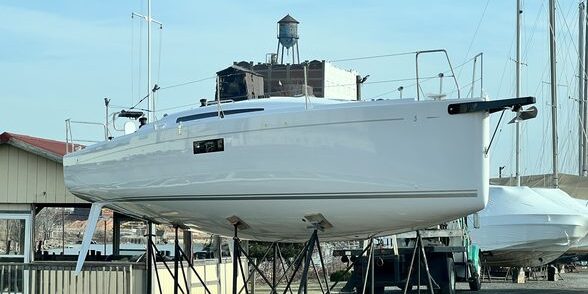
Proper boat storage and seasonal preparation are essential parts of responsible boat ownership. In fact, many of the most expensive problems boats experience happen while they are not even in use. For that reason, taking the time to prepare your boat for storage—and to recommission it correctly—can save significant money and stress. Whether you boat in a cold climate or simply face long off-seasons, storage and seasonal maintenance protect your boat’s systems, structure, and value.
Why Boat Storage Matters More Than Many Owners Realize
First, boats are constantly exposed to moisture. Even when sitting still, humidity, temperature swings, and condensation can damage engines, interiors, and electrical systems. Next, neglected storage often leads to mold, corrosion, frozen components, and battery failure. These issues are not always visible at first, but they can become costly very quickly. Just as importantly, buyers and surveyors pay close attention to how a boat was stored. Boats that show signs of careful seasonal prep are viewed as lower risk and higher value. As a result, good storage habits protect both enjoyment today and resale value tomorrow.
Winterization: Protecting Systems From Damage
In colder regions, winterization is critical. Freezing temperatures can crack engine blocks, split hoses, and damage plumbing systems in a single night. To begin with, engines and generators must be properly winterized. This includes draining raw-water systems and circulating antifreeze where required. Skipping or rushing this step is one of the most common causes of major engine damage. Next, freshwater systems, air conditioning units, and washdown pumps also need protection. Any system that holds water is vulnerable to freezing. In addition, fuel systems should be treated with stabilizer to prevent fuel breakdown and moisture contamination during storage. Taken together, thorough winterization protects the most expensive components on your boat.
Battery Care During Storage
Batteries are another common source of trouble during the off-season. First, batteries should be fully charged before storage. A discharged battery is far more likely to freeze or fail. Next, owners must decide whether to remove batteries or maintain them onboard. Either approach can work, as long as batteries are kept charged with a proper maintenance charger. Equally important, battery terminals should be clean and protected from corrosion. A small amount of attention here prevents starting and electrical issues when the season returns.
Indoor vs. Outdoor Boat Storage
Storage location plays a major role in how well a boat weathers the off-season. Indoor storage offers the highest level of protection. It reduces exposure to UV damage, moisture, and temperature extremes. For many owners, indoor storage results in fewer spring repairs and a cleaner boat. However, outdoor storage can also be effective when done correctly. A properly fitted cover, good ventilation, and moisture control are essential. Covers should prevent water pooling while still allowing airflow to reduce condensation. Regardless of location, boats should always be clean and completely dry before storage begins.
Interior Preparation: Preventing Mold and Odors
Interior spaces often suffer the most during storage if not prepared properly. First, remove all food, fabrics, and unnecessary gear. Organic materials attract moisture and mold. Next, clean all surfaces thoroughly and allow the interior to dry completely. Even small amounts of moisture can lead to mildew over time. Ventilation is also key. Propping cushions, opening lockers, and using moisture absorbers or dehumidifiers helps keep air circulating. When interiors are prepared correctly, boats emerge from storage fresh, clean, and ready to use.
Spring Commissioning: Starting the Season Right
Spring commissioning is just as important as winterization. Rushing the process often leads to breakdowns during the first outings of the year. To begin, reinstall and test batteries. Next, inspect fuel systems, cooling systems, and electrical connections. Then, start engines and check for leaks, proper water flow, and normal operating temperatures. Steering, controls, and safety systems should also be tested before leaving the dock. Taking time during commissioning helps identify small issues early, when they are easier and less expensive to fix.
Storage and Resale Value: A Broker’s Perspective
From a brokerage standpoint, storage history matters. Boats that show consistent seasonal care typically:
- Survey better
- Require fewer repairs before sale
- Sell faster
- Command stronger prices
On the other hand, signs of poor storage—such as mold, corrosion, or freeze damage—often raise immediate concerns for buyers. Simply put, proper storage is an investment in your boat’s future value.
Final Thoughts
Boat storage and seasonal preparation may not be the most exciting part of ownership. However, they are among the most important. With the right habits, owners reduce risk, control costs, and extend the life of their boats. Most importantly, they spend more time enjoying the water and less time dealing with preventable problems.
FAQs
Why is winterization important for boats?
Winterization protects engines, plumbing, and systems from freezing damage, which can cause severe and costly repairs.
Is indoor boat storage better than outdoor storage?
Indoor storage offers the best protection, but outdoor storage can be effective with proper covers, ventilation, and moisture control.
What should I do with my boat batteries during storage?
Batteries should be fully charged and either removed or maintained onboard with a proper battery charger.
How can I prevent mold during boat storage?
Clean and dry the interior thoroughly, remove fabrics and food, improve ventilation, and use moisture absorbers or dehumidifiers.
Does proper storage affect resale value?
Yes. Boats that show evidence of careful storage typically survey better and sell more quickly.