

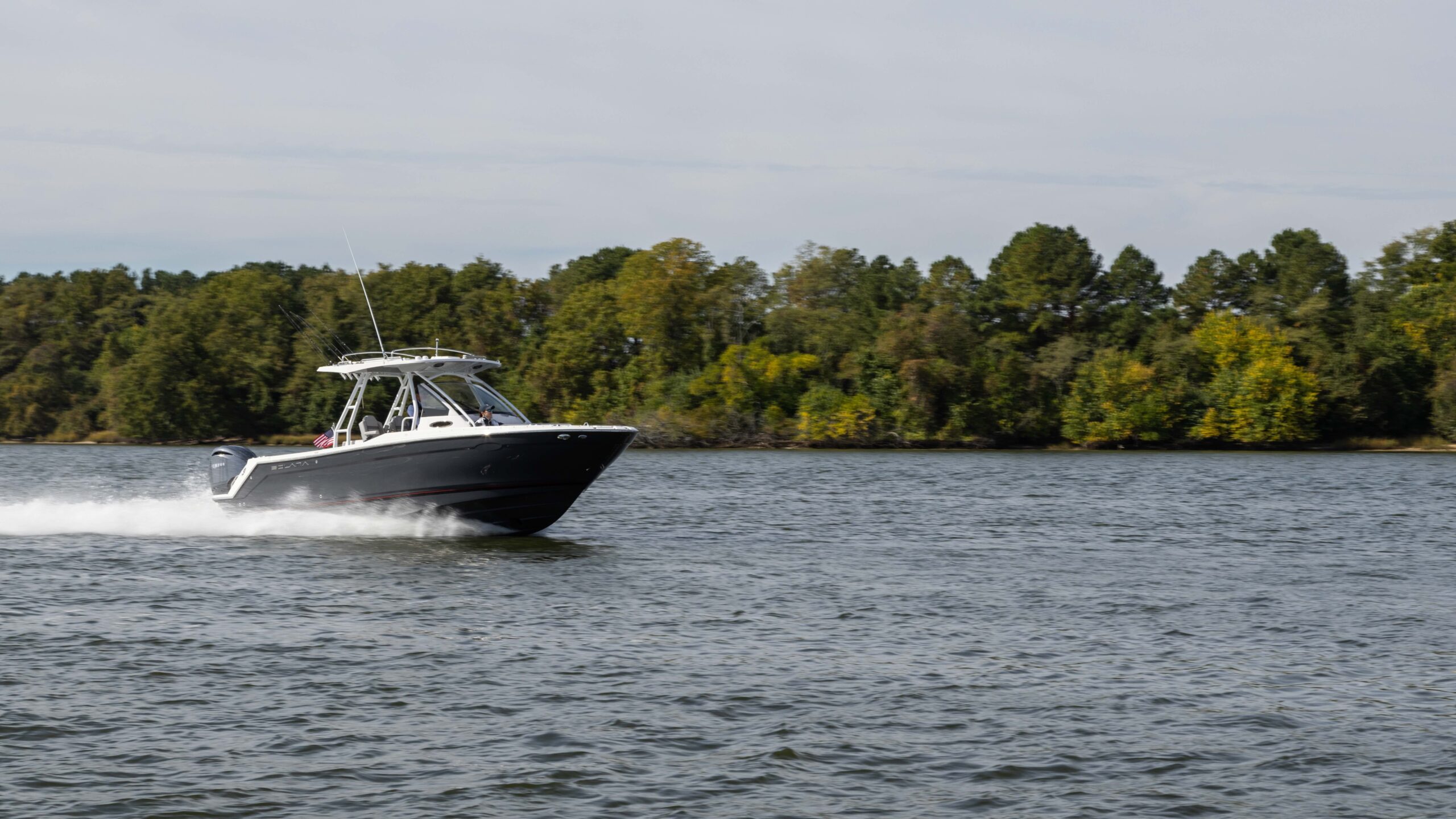
Expert Advice for Lake Erie & Lake Ontario Boaters
Buying or selling a boat on the Great Lakes isn’t the same as doing it anywhere else. Lake Erie and Lake Ontario offer world-class sailing and boating—but they also demand the right boat, the right preparation, and the right guidance.
Whether you’re searching for your first sailboat, upgrading to a larger powerboat, or preparing to sell a boat you’ve enjoyed for years, understanding Great Lakes conditions, seasonal timing, and local market dynamics can make a significant difference in both experience and outcome.
As a full-service Great Lakes boat brokerage, we offer more than listings. With multiple locations along Lake Erie and Lake Ontario, combined marina facilities, and a full marine yard, we help buyers and sellers navigate every step of the process—from valuation and selection to storage, service, and long-term ownership.
This guide answers the most common questions we hear from Great Lakes boaters. It’s designed to help you make informed decisions, avoid costly mistakes, and move forward with confidence—whether you’re buying, selling, or simply planning your next step on the water.
Buying a Boat on Lake Erie & Lake Ontario
What Type of Boat Is Best for Great Lakes Conditions?
The Great Lakes are famous for short, steep chop, fast-changing weather, and big-water conditions that demand capable boats. While calm days can feel idyllic, smart buyers plan for the days when conditions turn quickly.
Key considerations include:
- Hull design and displacement
- Freeboard and cockpit drainage
- Stability and handling in waves
- Safety features and visibility
Both sailboats and powerboats can be excellent choices for Lake Erie and Lake Ontario, but size, layout, and construction quality matter more here than in many other boating regions.
Learn which boats perform best on the Great Lakes.
New vs Used Boats on the Great Lakes
One of the biggest decisions buyers face is whether to purchase new or used. On the Great Lakes, freshwater boats often enjoy longer lifespans, making the used market particularly strong.
New boats offer:
- Manufacturer warranties
- Modern systems and layouts
- Predictable ownership early on
Used boats often provide:
- Better overall value
- Slower depreciation
- Proven designs well-suited to Great Lakes conditions
A knowledgeable broker helps evaluate availability, pricing, and long-term costs so you choose what best fits your goals—not just what looks good online.
What Size Boat Is Right for the Great Lakes?
Boat size impacts everything from comfort and safety to storage costs and ease of handling. Bigger isn’t always better—especially for newer owners or those boating with smaller crews.
Important factors include:
- Your experience level
- Typical crew size
- How far you plan to travel
- Marina slip availability
- Winter storage requirements
Right-sizing your boat is one of the most important decisions you’ll make—and one that affects enjoyment more than most people expect.
Learn how boat size affects comfort and safety.
How Much Does It Cost to Own a Boat on the Great Lakes?
Boat ownership costs extend beyond the purchase price. On the Great Lakes, seasonal storage and maintenance are major considerations.
Typical ownership expenses include:
- Marina slips or dockage
- Winter storage and haul-out
- Commissioning and decommissioning
- Routine maintenance and repairs
- Insurance and registration
- Fuel and operating costs
Understanding the full cost picture upfront helps avoid surprises and ensures boating stays enjoyable year after year.
Learn what boat ownership really costs.
When Is the Best Time to Buy a Boat?
Timing matters on the Great Lakes. Inventory, pricing, and negotiating leverage all change throughout the year.
- Spring offers the widest selection and early-season excitement.
- Summer favors buyers ready to move quickly.
- Fall can provide excellent value, especially for prepared buyers.
- Boat show season introduces new models and incentives.
A broker familiar with regional cycles can help you decide when to buy—and when to wait.
Find the best time to buy on the Great Lakes.
Selling a Boat on the Great Lakes
What Is My Boat Worth in Today’s Market?
Pricing a boat correctly is the single most important factor in a successful sale. Online estimates rarely reflect real Great Lakes market conditions, freshwater value, or seasonal timing.
Boat value is influenced by:
- Brand and model reputation
- Condition and maintenance history
- Freshwater use
- Location and accessibility
- Market demand at the time of listing
A professional valuation balances competitiveness with protecting your equity.
Learn how your boat’s value is determined.
How Long Does It Take to Sell a Boat?
There’s no single answer, but timing, condition, and pricing all play major roles. On the Great Lakes, most sales happen within a defined seasonal window.
Factors that affect sale timelines include:
- Time of year
- Asking price accuracy
- Presentation and documentation
- Exposure across multiple locations
A realistic plan and strong marketing strategy help reduce time on market.
Learn how to sell your boat faster.
Selling Privately vs Using a Boat Broker
Some owners consider selling privately, but many underestimate the complexity involved.
A professional broker provides:
- Market-based pricing guidance
- Broad advertising exposure
- Buyer qualification
- Showing and sea trial coordination
- Contract, survey, and closing management
For many sellers, the reduced stress, better pricing, and smoother transaction more than justify using a broker.
Compare private sale vs broker sale.
How to Prepare Your Boat for Sale
Preparation directly affects how quickly your boat sells—and for how much. Not every repair makes sense, but presentation always matters.
Smart preparation includes:
- Cleaning and detailing
- Organizing maintenance records
- Addressing obvious cosmetic issues
- Ensuring easy access for showings
A full-service brokerage can coordinate storage, service, and staging to simplify the process.
Learn how to get your boat ready for sale.
Surveys, Sea Trials & Offers Explained
Surveys and sea trials are standard parts of most boat transactions and don’t have to be intimidating.
A broker helps:
- Schedule and coordinate surveys
- Manage negotiations following findings
- Protect timelines and deposits
- Guide both parties to closing
Clear communication at this stage keeps deals moving forward.
Understand surveys and sea trials.
Why Work With a Full-Service Great Lakes Boat Brokerage?
What Does “Full-Service” Really Mean?
A full-service brokerage goes beyond buying and selling. It integrates brokerage expertise with marina operations and a marine yard, creating a seamless ownership experience.
This approach means:
- One point of contact
- Fewer handoffs
- Better coordination
- Less downtime
For both buyers and sellers, that convenience adds real value.
See how our brokerage supports buyers and sellers.
Marina, Storage & Service—All in One Place
Great Lakes boating is seasonal, and proper storage and maintenance are essential.
Full-service support includes:
- Marina slips
- Winter storage
- Haul-out and launch
- Commissioning and decommissioning
- Ongoing service and maintenance
Having everything handled in one place saves time and reduces complications.
Learn about our marina and storage options.
The Advantage of Multiple Lake Erie & Lake Ontario Locations
Multiple locations expand opportunities for both buyers and sellers.
Benefits include:
- Greater exposure for listings
- Flexible showing options
- Broader buyer reach
- Easier regional moves
This regional presence is a major advantage in a geographically diverse market like the Great Lakes.
See our multiple locations in upstate New York, Ohio and Pennsylvania.
Buying & Selling Boats Across the U.S.–Canada Border
Cross-border transactions are common on the Great Lakes but require careful handling.
A knowledgeable broker assists with:
- Documentation and compliance
- Taxes and registration considerations
- Transport and storage coordination
- Timing and logistics
Handled correctly, cross-border deals are straightforward and efficient.
See how we help manage cross-border transactions.
Common Great Lakes Boat Buying & Selling Questions
Is Lake Erie really rough?
It can be. Short wave periods and fast weather changes make boat selection and preparation important.
Are freshwater boats worth more?
Often, yes. Freshwater use typically results in less corrosion and longer system life.
Can I trade up or down in boat size?
Absolutely. Many owners adjust as their boating style changes.
What happens after I make an offer?
The process typically includes acceptance, deposit, survey, sea trial, and closing—all coordinated by your broker.
Talk to a Great Lakes Boat Specialist
Whether you’re just starting to explore options or ready to buy or sell now, working with an experienced Great Lakes specialist makes all the difference.
- Buyers: Explore boats for sale on Lake Erie and Lake Ontario or schedule a consultation.
- Sellers: Request a professional boat valuation and listing strategy.
With expert guidance, local knowledge, and full-service support, your next move on the water can be confident—and enjoyable.